

The Emotional Abuse Cycle: Breaking Free from the Pattern
If you feel like you are constantly waiting for the "other shoe to drop," you are not alone. Many people living in toxic or abusive relationships describe their lives as a roller coaster, one where the highs are incredibly sweet, but the lows are devastating. This isn't just a series of bad days; it is a predictable, repetitive pattern known as the emotional abuse cycle or the cycle of violence.
At Blooming Lilies, we understand how disorienting this can be. When you are in the middle of the storm, it’s hard to see the map. Understanding the stages of this cycle is the first step toward reclaiming your reality and finding your way back to safety and peace.
Understanding the Four Stages of the Emotional Abuse Cycle
The cycle of abuse was first identified to describe physical violence, but it applies just as powerfully to emotional and psychological harm. In cases of narcissistic abuse, these stages can be even more subtle, making it harder for the survivor to identify what is happening.
The cycle typically moves through four distinct phases:
1. The Tension-Building Phase
In this stage, the atmosphere in the home or relationship starts to feel heavy. You might notice your partner becoming increasingly irritable, frustrated, or critical. This is the "walking on eggshells" phase. You might find yourself:
- Carefully choosing your words to avoid a disagreement.
- Trying to "fix" things or keep the house extra quiet.
- Feeling a growing sense of dread in your stomach.
- Experiencing "minor" incidents of verbal put-downs or cold silences.
2. The Incident of Abuse
Eventually, the tension becomes unbearable and "explodes." This is the point where the abuse occurs. While this can be physical, in an emotional abuse cycle, it often looks like:
- Intense screaming or verbal degradation.
- Extreme gaslighting (making you question your sanity).
- Threats of abandonment or self-harm.
- Intense jealousy or accusations.
- Using your vulnerabilities against you to cause maximum pain.
3. The Reconciliation (The Honeymoon Phase)
This is often the most confusing part of the cycle. After the "explosion," the abuser may suddenly shift gears. They might apologize profusely, cry, or blame their behavior on external factors like work stress or a difficult childhood.
In narcissistic abuse, this is often called "love-bombing." They might shower you with affection, gifts, or promises that "it will never happen again." This phase is designed to pull you back in and make you believe the "real" them is the kind person you first met.
4. The Calm
During the calm phase, the relationship feels stable, or even happy. The abuser may act like the incident never happened, or they may be extra helpful and attentive.
You start to relax, hoping that the pattern has finally been broken. However, without professional intervention or a true desire to change (which is rare in abusive personalities), this calm is temporary. Eventually, a new trigger occurs, and the tension begins to build all over again.
Where Are You in the Cycle?
Identifying where you are right now can be a powerful tool for self-preservation. Take a moment to reflect on your current situation without judgment.
- Are you waiting for the explosion? If you are constantly monitoring your partner’s mood to stay safe, you are likely in the tension-building phase.
- Are you being told it was your fault? If an incident just happened and your partner is saying, "I wouldn't have done that if you hadn't provoked me," you are in the reconciliation/blame phase.
- Are you feeling "lucky" right now? If things are great but you’re secretly terrified of the next argument, you are in the calm phase.
If you are unsure where your relationship stands, we encourage you to take our Domestic Violence Assessment. It is a private way to gain clarity on the dynamics of your partnership.
The Role of Narcissistic Abuse
While the general cycle of abuse is common, narcissistic abuse adds a layer of psychological complexity. A narcissist uses the cycle to maintain power and control. They rely on "intermittent reinforcement", the occasional reward of affection mixed with the punishment of abuse. This creates a powerful biological bond called a trauma bond, which makes it feel almost physically impossible to leave.
Narcissists often use the "Calm" and "Reconciliation" phases not out of genuine remorse, but as a tactic to keep you from leaving. By validating your worth one day and tearing it down the next, they keep you focused on winning back their approval.
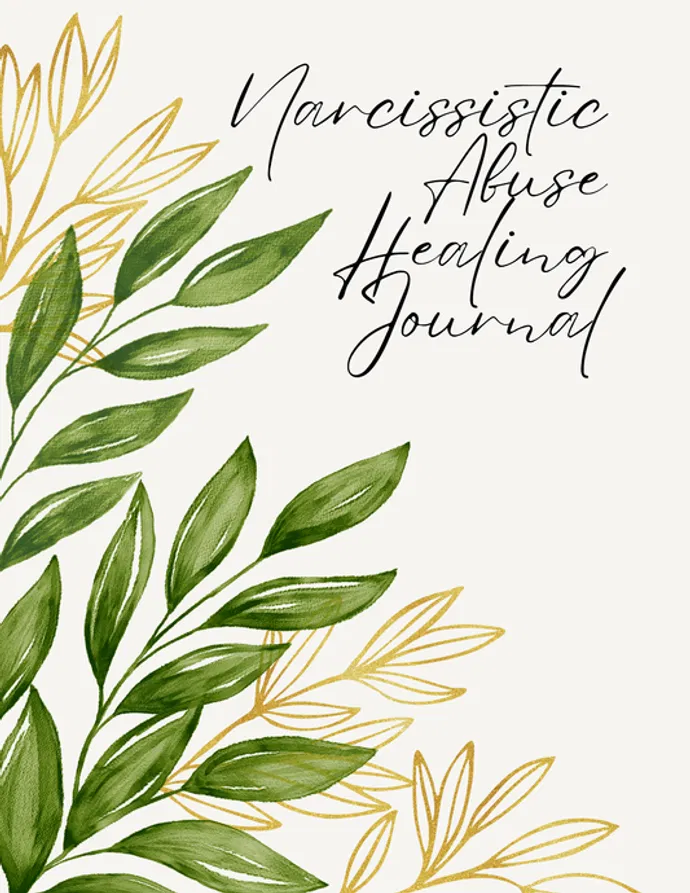
To help process these specific maneuvers, many survivors find comfort in structured reflection. Our Narcissistic Healing Journal is specifically designed to help you deconstruct these patterns and rebuild your self-esteem.
Why the Cycle Never Stays the Same
A critical fact about the cycle of violence is that it is progressive. Over time, the "Calm" and "Honeymoon" phases usually become shorter and shorter. The "Tension" and "Incident" phases become more frequent and more severe.
What started as a snide comment may turn into a screaming match; what was once a monthly argument may become a daily occurrence. This escalation is why "waiting it out" rarely works. The cycle is a closed loop that requires external action to break.

Breaking the Pattern: Your Path to Safety and Healing
Breaking free from the emotional abuse cycle is one of the bravest things you will ever do. It is not an overnight process, but a journey of reclaiming your life piece by piece.
1. Prioritize Your Safety
If you feel you are in immediate danger, or if the "Incidents" have become physical, please reach out for help. You can find a list of Crisis Lines here. Your safety is the foundation for everything else.
2. Document the Reality
Because gaslighting is a major part of emotional abuse, you might start to doubt your own memory. Keeping a private record (if it is safe to do so) can help you see the patterns objectively. Seeing the dates of the "incidents" written down can help you realize that the "calm" phases are just temporary pauses, not a change in character.
3. Reclaim Your Narrative
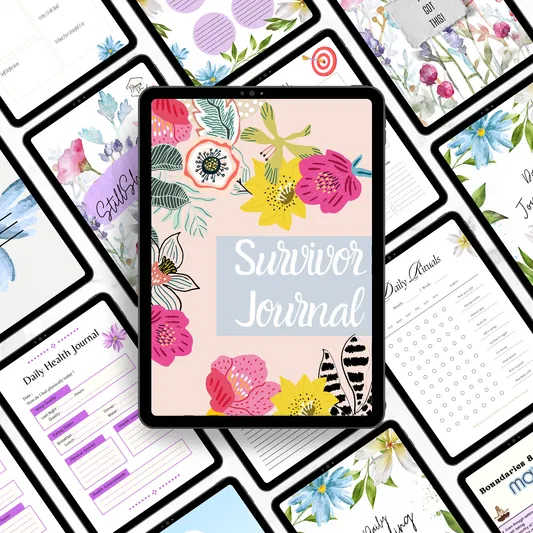
Healing requires you to shift the focus from the abuser back to yourself. Using resources like the Blooming Lilies Survivor Journal can help you process the trauma and remind you of your inherent strength and worth.
4. Build a Support System
Abusers thrive on isolation. Reconnect with friends, family, or support groups who validate your experience. Professional counseling with a trauma-informed therapist is also a vital step in deconstructing the trauma bond.
You Are Not Alone
The most important thing to remember is that the abuse is not your fault. You did not cause the tension, you did not deserve the incident, and you are not responsible for "fixing" the abuser. You have a right to a life that is consistently peaceful, not just occasionally calm.
At Blooming Lilies, we are dedicated to providing the resources you need to move from victim to survivor to thriver. Whether you need help with financial planning to gain independence or family court help to protect your children, we are here to walk with you.

Breaking the cycle starts with a single realization: you deserve better than a life of walking on eggshells. You deserve to bloom.
If you are ready to take the next step toward healing, browse our collection of journals and workbooks designed for your journey. Remember, your strength is still there, waiting to be rediscovered. Reach out to us through our contact page if you need guidance on which resources are right for you.