

The First Steps: How to Heal from a Toxic Relationship
If you are reading this right now, I want you to take a deep breath. Just one. In through your nose, out through your mouth. You’ve taken a huge step today just by being here and looking for answers. Whether you’ve already left, are planning your exit, or are just starting to realize that something isn't right, please know this: you are incredibly brave.
Healing isn't a straight line. It’s not a checklist you finish in a weekend. It’s a messy, beautiful, sometimes exhausting journey of coming back to yourself. At Blooming Lilies, we’re here to walk that path with you. We know that learning how to heal from a toxic relationship is one of the hardest things you’ll ever do, but it’s also the most rewarding.
Let’s talk about the first steps to reclaiming your life, your peace, and your spark.
Acknowledge Your Reality (Without Judgment)
The very first step in learning how to heal from a toxic relationship is perhaps the most difficult: accepting the reality of what happened. For a long time, you might have lived in a "fantasy version" of the relationship. You saw his potential, you remembered the "good days," or you convinced yourself that if you just changed one more thing about yourself, he would finally treat you with the respect you deserve.
Healing begins when we stop looking at what could be and start looking at what is.
This doesn't mean you have to like the reality. It just means you stop fighting against the truth. Acknowledge that the relationship was harmful to your well-being. Acknowledge that you were manipulated, gaslit, or mistreated. If you're still feeling confused about whether it was "really that bad," you might find it helpful to read our post on what is gaslighting and the 10 warning signs.
When you accept reality, do it with self-compassion. You didn't "allow" this to happen because you were weak; you stayed because you were hopeful, resilient, and probably trauma-bonded. Be as kind to yourself as you would be to a best friend in the same situation.
Breaking the Cycle: Identifying Your Patterns
Toxic relationships rarely happen in a vacuum. Often, they follow patterns that we might not even notice while we’re in the thick of it. To ensure you don’t find yourself back in a similar situation down the road, it’s vital to get "brutally honest" with yourself about your relationship history.
Grab a notebook or a journal, this is where the real inner work happens. Ask yourself:
- What were the common threads in my last few relationships?
- Do I tend to attract partners who need "fixing"?
- What core beliefs do I have about love? (e.g., "Love should be a struggle," or "I have to earn someone's affection.")
By identifying these roots, you begin to interrupt the cycle. You aren't blaming yourself; you're empowering yourself with the knowledge needed to make different choices next time.
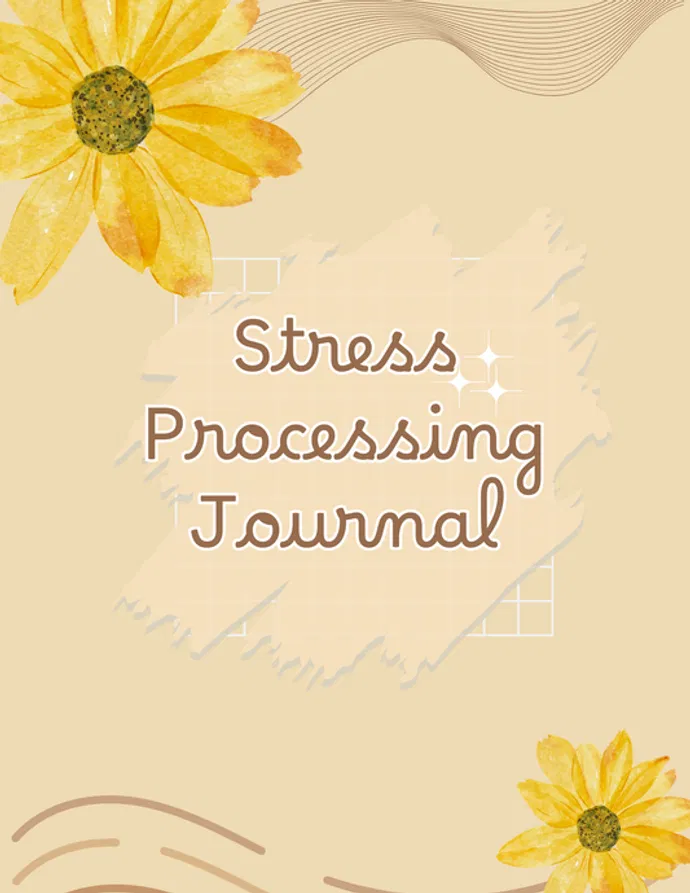
If the thoughts in your head feel like a tangled mess of yarn, our Stress Processing Journal is a gentle way to start unknotting them. It’s designed specifically for women navigating trauma, providing a soft space to land when the world feels too loud.
Feel It to Heal It: Processing the Emotional Backlash
Once you leave or decide to detach, a flood of emotions will likely follow. You might feel relief one minute and devastating grief the next. You might feel angry, furious, even, at the time you "wasted."
Let yourself feel it all.
One of the most misunderstood parts of how to heal from a toxic relationship is the need to mourn. You aren't just mourning the person; you’re mourning the future you thought you had, the version of yourself that you lost along the way, and the hope you poured into a broken cup.
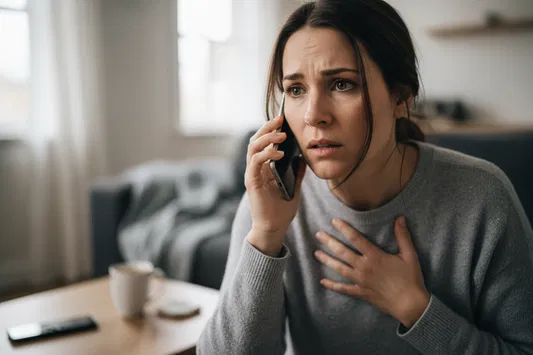
Processing these emotions is somatic work. It’s not just in your head; it’s in your body. Toxic stress lives in your nervous system, keeping you in a state of "fight or flight." Learning to calm that internal alarm is a huge part of the process. For more on this, we have some great resources on nervous system healing that can help you feel safe in your own skin again.

Prioritizing Your Safety and Stability
You cannot heal while you are still in survival mode. If you are currently in a situation where you feel unsafe, your priority isn't "inner work", it's physical and digital safety.
Healing requires a sanctuary. This means setting firm boundaries, which often includes No Contact. Toxic partners are experts at pulling you back in with "hoovering" tactics (fake apologies, emergencies, or sudden declarations of love). Protecting your peace means closing the door and locking it.
If you are in immediate danger or need help finding a safe way out, please do not wait. Check our crisis lines page for immediate support resources.
For those who have already left but feel financially or logistically overwhelmed, take things one day at a time. Focus on the basics: a safe place to sleep, a stable budget, and a secure digital footprint. Healing is much easier when you aren't looking over your shoulder.
Reclaiming Your Narrative Through Inner Work
A toxic partner spends a lot of time rewriting your story. They tell you who you are, what you’re worth, and what you’re capable of. Healing is about taking the pen back.
How do you do that?
- Validate Your Own Perspective: Stop asking "Was I crazy?" and start saying "I know what I experienced."
- Trust Your Gut: You spent years ignoring your intuition to keep the peace. It’s time to start listening to that quiet voice again.
- Positive Affirmations: It sounds simple, but after years of verbal or emotional abuse, your internal dialogue is likely programmed with "narcissistic noise." You have to intentionally replace those voices with truth.
- Daily Reflection: Use tools like a mood tracker to see your progress. Some days will be hard, but when you look back at a month of data, you'll see that the "good days" are slowly starting to outnumber the bad ones.
You are not the names you were called. You are not the mistakes you made while trying to survive. You are a woman who is blooming in the aftermath of a storm.
Finding Your Village
Healing is an inside job, but you don't have to do it alone. In fact, isolation is one of the primary tools abusers use to keep you trapped. Breaking that isolation is a revolutionary act.
Build a support system of people who "get it." This might include:
- A trauma-informed therapist who understands narcissistic abuse and PTSD.
- Trusted friends who listen without judgment (and without telling you to "just get over it").
- Support groups of fellow survivors who validate your journey.
If you have questions about how to navigate this new chapter, our FAQs page covers many common concerns for women in recovery. Finding a community reminds you that you aren't the "only one," and there is immense power in shared stories.

Don't Rush the Process
The final thing I want to tell you about how to heal from a toxic relationship is this: take your time.
There is often a temptation to jump into a new relationship to prove you’re "fine" or to fill the void left by the chaos. But rushing into dating before you’ve done the inner work is like putting a bandage on a wound that hasn't been cleaned yet.
Give yourself the gift of a "season of you." Spend time rediscovering what you like to eat, what hobbies make you smile, and what it feels like to wake up in a house that is quiet and safe. You are rebuilding a foundation. Take the time to make it strong.
At Blooming Lilies, we believe that every woman has the capacity to rise from the ashes of a toxic past. You are resilient, you are worthy of real love, and your healing journey is just beginning. Take that first step today: whatever it looks like for you: and know that we are cheering you on every step of the way.
Ready to start your journey? Browse our collection of digital journals and trauma-informed worksheets designed to help you reclaim your power and peace. #StillSheBlooms