

The Relocation Planner: Your Step-by-Step Guide to a Safe Move
Deciding to leave an abusive or high-control relationship is one of the most courageous things you will ever do. It’s also one of the most logistically overwhelming. If you feel like your head is spinning, please know that’s a completely normal response to an abnormal situation. You aren’t just "moving house", you are reclaiming your life, your safety, and your future.
At Blooming Lilies, we know that escaping domestic violence isn't as simple as packing a suitcase and walking out the door. It requires a strategy, a bit of stealth, and a lot of support. This guide is designed to help you navigate the logistics of a safe move with a trauma-informed lens, ensuring that your physical safety and emotional well-being are the top priorities every step of the way.
Why You Need a Specialized Domestic Violence Safety Plan
A standard moving checklist from a real estate site assumes you have the freedom to pack boxes in the living room and host a yard sale. When you are leaving a toxic situation, your "moving day" looks very different. You need a domestic violence safety plan that accounts for high-stakes variables like digital tracking, financial control, and the potential for escalation.
Safety isn't just about the day you leave; it’s about the weeks leading up to it and the months following it. Our goal is to help you move from a state of "survival mode" into a structured, actionable plan.
Phase 1: The Invisible Groundwork (6–8 Weeks Out)
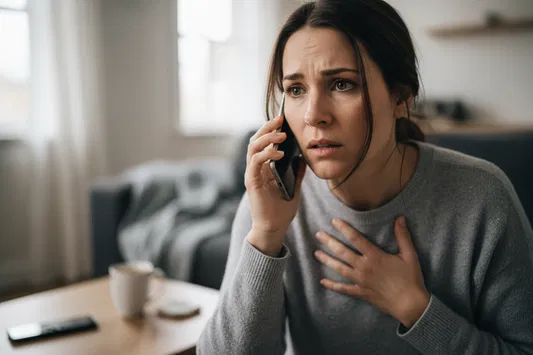
If you have the luxury of time, use it to lay an invisible foundation. If you don't have time and need to leave now, please stop reading and contact a local shelter or the National Domestic Violence Hotline immediately.
If you are planning a strategic exit, start here:
- Digital Privacy: Do not search for apartments, moving companies, or legal advice on a shared computer or a phone that is on a family plan. Use a library computer or a trusted friend’s device.
-
The "Paper Trail" Audit: Start gathering your essential documents. You need the originals if possible, but copies are a good start. Keep these at a safe location, like a workplace or a friend’s house.
- Birth certificates (yours and your children’s)
- Social Security cards
- Passports and immigration papers
- Marriage/divorce records
- Financial statements and tax returns
- Establish a "Safe Contact": Identify one person who knows your plan. Establish a code word that means "I am leaving now" or "I am in danger."
Phase 2: Building Your Financial Fortress
One of the biggest hurdles to escaping domestic violence is financial abuse. Abusers often use money as a leash to keep you from leaving. Reclaiming your financial independence is a vital part of your relocation strategy.
- The Secret Fund: If safe, start withdrawing small amounts of "cash back" at the grocery store. Hide this cash in a place the abuser never looks, or better yet, give it to a trusted friend for safekeeping.
- Open a New Account: If you can do so safely, open a bank account at a completely different institution than the one your partner uses. Ensure all statements are "paperless" and sent to a new, secure email address.
- Monitor Your Credit: Use a tool like the Blooming Lilies Budget Tracker Bundle to keep an eye on your expenses and start planning for your new life’s costs.
Phase 3: Strategic Packing (The "Slow Fade")
You can’t exactly stack boxes in the hallway. You have to be a "logistics ninja."
- The "Donation" Trick: If you need to get items out of the house, tell your partner you are decluttering and taking things to a donation center. Instead, take the items you actually want to keep to a storage unit or a friend’s garage.
- Pack an Essentials "Go Bag": This is a small bag you can grab in seconds. It should include a few days of clothes, essential medications, a spare phone charger, and your "Paper Trail" documents.
- Document Everything: If there is property you cannot take but own, take photos of it. This will be helpful later for legal or insurance purposes. Our Narcissistic Healing Journal can be a safe space to vent your feelings, but keep your tactical notes separate and secure.
Introducing: The Blooming Lilies Relocation Planner
We realized that survivors needed more than just a notebook: they needed a roadmap. That’s why we created the Blooming Lilies Relocation Planner.
This isn't your average moving coordinator. It’s a trauma-informed tool designed specifically for the unique challenges of leaving a high-control environment.

The Relocation Planner includes:
- Safety Planning Checklists: Step-by-step tasks that prioritize your physical security.
- Address Change Trackers: A comprehensive list of who to notify (and how to do it without leaving a trail).
- New Home Safety Audits: Tips for securing your new space, from changing locks to checking windows.
- Emotional Support Pages: Prompts to help you manage the anxiety and "moving jitters" that are amplified by trauma.
Using a dedicated planner allows you to keep all your "exit" information in one place, making it easier to hide or carry with you than a scattered collection of sticky notes and mental lists.
Phase 4: Moving Day Logistics
The day you leave is often the most dangerous time in an abusive relationship. Escaping domestic violence requires a tactical approach to the actual "exit" moment.
- The Timing: Choose a time when the abuser is consistently away (at work, at a recurring appointment).
- Professional Help: If you can afford it, hire professional movers to get the heavy lifting done quickly. If you are worried about your safety during the move, you can often request a "civil standby" from local law enforcement to be present while you remove your belongings.
- The "Clean Sweep": Once the boxes are out, do one final walkthrough. Check the "hidden" spots: under the sink, the back of the closet, the medicine cabinet.
- Digital Exit: Once you are out, change all your passwords. This includes Netflix, your email, and even your kids' school portals. Turn off "Location Services" on all devices and check your car for any hidden GPS trackers.
Phase 5: Settling into Your New Horizon
The first night in a new home can feel strangely quiet. You might feel a mix of relief, grief, and intense anxiety. This is the "thaw" after being frozen in survival mode for so long.
- Secure the Perimeter: Change the locks immediately, even if the landlord says they were already changed. Install a video doorbell or simple window alarms.
- Update Your Documents: Use your Relocation Planner to ensure you’ve updated your address with the DMV, the post office, and your bank.
- Find Your Community: Healing doesn't happen in a vacuum. Reach out to local support groups or use resources like the PTSD Trauma Processing Workbook to begin the internal work of recovery.

You Are Not Just Moving; You Are Arriving
Relocating is a massive physical task, but it’s also a profound symbolic act. You are literally moving yourself out of the reach of harm and into a space that belongs entirely to you.
Remember, you don’t have to do this perfectly. You just have to do it safely. Whether you use a specialized tool like our Relocation Planner or a simple notebook hidden in your work bag, having a plan is your best defense.
You have the strength to do this. You have the right to a home that feels like a sanctuary, not a cage. Take it one step at a time, one box at a time, and one breath at a time. We are rooting for you.
Ready to start your journey? Explore our full range of Supportive Resources designed to help you heal, plan, and thrive. You’ve got this.