

The Ultimate Domestic Violence Safety Plan Template: What You Need to Include
If you are reading this, please take a deep breath. You are here because you are looking for a way to protect yourself and your loved ones, and that realization alone is an incredible act of courage.
A safety plan is not a "one size fits all" document. It is a living, breathing set of personalized strategies designed to help you lower your risk of harm whether you are currently in an abusive relationship, planning to leave, or have already left. At Blooming Lilies, we believe that having a plan isn't just about physical logistics; it's about reclaiming your agency and your right to feel safe in your own life.
In this guide, we will walk you through the essential components of a domestic violence safety plan template, providing you with practical tools and the emotional validation you deserve.
1. Recognizing the Patterns: Your Internal Warning System
Abuse often follows a cycle, and no one knows the patterns of your situation better than you do. A trauma-informed safety plan starts with honoring your own intuition. You have likely developed a "sixth sense" for when things are about to escalate: this is an adaptive survival skill, not a weakness.
When building your template, include a section for "Early Warning Signs." Consider:
- Specific triggers for the abuser (e.g., substance use, financial stress, or a certain time of day).
- Your own physical responses: Do you feel a tightness in your chest, a "freeze" response, or a sudden urge to placate?
- External signs: Are they checking your phone more often? Are they "love bombing" you before a shift in behavior?
By identifying these patterns, you can gain precious minutes to move toward a safer space before a crisis hits. For those struggling with the emotional weight of these patterns, our Blooming Lilies Stress Processing Journal can help you document and navigate these heavy feelings in a private, supportive way.
2. Safety During an Escalation: In-the-Moment Strategies
If an argument or a violent incident begins, your primary goal is to minimize harm. This part of your safety plan template focuses on immediate physical surroundings.
- Identify "Safer Rooms": Which rooms have an outside exit? Which rooms have a lock?
- Identify "High-Risk Rooms": Try to avoid the kitchen (where there are knives), the bathroom (small, tiled spaces with no exit), or garages/closets.
- The Code Word: Choose a word or phrase that sounds natural but signals to your children, neighbors, or a trusted friend that they need to call for help immediately.
- Keep Your Phone Charged: Always keep your phone nearby and fully charged. If it is safe to do so, pre-program emergency numbers like the National Domestic Violence Hotline (800-799-7233) into your contacts under a generic name.
3. The Escape Plan: Planning Your Relocation
Leaving is often the most dangerous time in an abusive relationship. A domestic violence safety plan template must include a detailed "go-bag" list and a relocation strategy.
You don't have to have everything figured out today. You can take small, quiet steps to prepare. We recommend our Blooming Lilies Relocation Planner to help you organize the dozens of moving parts involved in finding a new, safe home.
Essential items for your emergency "Go-Bag":
- Identification: Passports, driver’s licenses, and birth certificates (for you and your children).
- Legal Documents: Marriage licenses, divorce papers, or existing orders of protection.
- Financial Resources: Small amounts of cash hidden away, or bank cards the abuser cannot track.
- Medications: At least a three-day supply of any essential prescriptions.
- Evidence of Abuse: Photos of injuries, copies of threatening texts, or a log of incidents.
Keep this bag in a safe place outside of the home, such as at a trusted friend’s house or in a locked locker at work.

4. Reclaiming Your Financial Power
Financial abuse is a common tactic used to keep survivors trapped. Including a financial section in your safety plan is vital for long-term independence.
Steps to include in your financial safety plan:
- Open a Secret Account: If it is safe, open a bank account in your name only at a different bank than the one you share with the abuser.
- Check Your Credit: Run a credit report to see if any debt has been opened in your name without your knowledge.
- Start a Budget: Use tools like our Blooming Lilies Budget Tracker Bundle to visualize what you will need for rent, groceries, and utilities once you are on your own.
Having a clear picture of your finances can reduce the "fear of the unknown" and help you realize that independence is possible.
5. Digital Safety: Protecting Your Tech
In today’s world, an abuser can track you through your phone, car, or social media accounts. Your safety plan template should include a digital security audit.
- Turn Off Location Sharing: Check apps like Find My Friends, Snapchat, or Google Maps.
- Change Your Passwords: If you suspect the abuser knows your passwords, change them from a device they have never touched (like a computer at a public library).
- Clear Your History: If you are researching safety plans or shelters, always use "Incognito" mode or clear your browser history immediately after.
- Check for AirTags: If you find an unknown tracking device in your car or purse, do not disable it until you are in a safe place, as disabling it may alert the abuser.
6. Emotional Safety and Healing Your Nervous System
Safety isn't just physical: it's emotional. Long-term exposure to abuse keeps your nervous system in a state of high alert (hypervigilance). Your safety plan must include ways to soothe your spirit and ground yourself during high-stress moments.
Include a "Self-Care & Grounding" section in your template:
- Grounding Exercises: Practice the "5-4-3-2-1" technique (identifying 5 things you see, 4 you feel, etc.) to bring yourself back to the present moment.
- Affirmations: Remind yourself of your worth. Our 1,000 Positive Affirmations for Women can provide the daily strength needed to combat gaslighting.
- Trauma Processing: Healing is a journey that continues long after you are physically safe. Our PTSD & Trauma Processing Workbook is designed specifically for women to work through the biological and emotional impacts of trauma at their own pace.
You Are Not Alone in This
Creating a domestic violence safety plan template is a heavy task, but it is one of the most empowering things you can do for your future self. Remember, you don't have to fill this out all at once. You can take it one section at a time, checking in with your heart as you go.
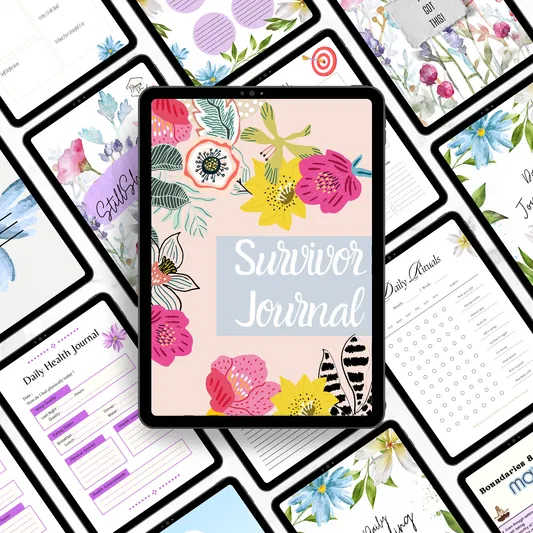
At Blooming Lilies, we are honored to walk beside you. Whether you need a place to track your budget, a journal to process your trauma, or just a few words of encouragement, we are here.
Take the first step toward your new beginning today. Browse our collection of trauma-informed journals and planners and find the tool that speaks to your needs. You are resilient, you are worthy, and you deserve to live a life free from fear.