

Essential Domestic Violence Resources: A Survivor’s Guide to Help
Taking the first step toward safety is an act of immense courage. If you are reading this, please know that you are not alone, and your safety and well-being are the highest priorities.
Navigating the path away from an abusive situation can feel overwhelming, like trying to find a way out of a maze while the walls are moving. But there is a map, and there are hands reaching out to help you hold it.
This guide is designed to be a practical, supportive roadmap. We will walk through the essential domestic violence resources available to you right now, from immediate crisis intervention to the long-term tools needed for rebuilding a life rooted in peace and independence.
At Blooming Lilies, we believe that empowerment comes from having the right information and the right support at the right time.
Immediate Support: When You Need Help Right Now
If you are in immediate danger, please call 911 or your local emergency services if it is safe to do so. If you are looking for a way to talk through your situation or create a safety plan, professional advocates are available 24/7.
The National Domestic Violence Hotline is a vital first point of contact. You can reach them by calling 1-800-799-SAFE (7233). They offer confidential support, crisis intervention, and can help you identify local resources in your specific zip code. If calling isn't safe because you are being monitored, you can text "START" to 88788.
Another excellent digital tool is the Bright Sky app. It is a free-to-download mobile app that provides support and information for anyone who may be in an abusive relationship. It includes a directory of specialist domestic abuse support services and features like a secure journal tool to record incidents of abuse without the information being stored on the phone itself.

Understanding the Types of Resources Available
Domestic violence support isn't just one thing; it’s a network of different services designed to meet different needs. Understanding what these are can help you ask for exactly what you need when you reach out.
1. 24-Hour Crisis Hotlines
These are more than just "emergency" numbers. Advocates on these lines are trained to help you with safety planning, providing emotional support, and giving you referrals to local shelters or legal aid. You don’t have to be in the middle of a physical crisis to call; you can call just to talk about your options. You can find a list of specific crisis lines here.
2. Emergency and Transitional Shelters
Emergency shelters provide a safe, confidential place to stay for you (and often your children and pets) when home is no longer safe. Once the immediate crisis has passed, transitional housing programs can help you find longer-term, affordable housing while you work toward independence.
3. Legal Advocacy and Court Accompaniment
Navigating the legal system can be terrifying. Legal advocates can help you understand how to file for a Protection From Abuse (PFA) order or a restraining order. They often provide court accompaniment, so you don't have to face a judge or your abuser alone. For those dealing with complex custody or divorce issues, resources like Family Court Help can be life-changing.
4. Medical and Trauma-Informed Advocacy
If you have been injured, medical advocates can meet you at the hospital or police station. They ensure you receive compassionate care and help you document injuries if you choose to pursue legal action.
Finding Help in Your Local Community
While national resources are great for initial contact, your local community likely has specific organizations dedicated to helping survivors in your area. Organizations like DomesticShelters.org allow you to search by zip code to find the closest help available.
Depending on where you are located, there are established centers of excellence:
- Pittsburgh Area: The Women's Center & Shelter of Greater Pittsburgh offers 24/7 support.
- California: The Alameda County Family Justice Center provides a "one-stop shop" with over 30 agencies in one building.
- Virginia/Maryland: The Fairfax County Hotline is a trusted resource for those in the D.C. metro area.
If you aren't sure where to start or want to assess your current situation privately, you might find our DV Assessment tool helpful in clarifying your next steps.
Planning for a Safe Future: Practical Tools
Leaving an abusive situation often requires meticulous planning, especially when it comes to logistics and finances. This is where Blooming Lilies focuses much of our support. We know that "just leaving" isn't as simple as it sounds; it requires a strategy.
The Relocation Planner
Moving is stressful under the best circumstances, but when you are relocating for safety, the stakes are much higher. A relocation planner helps you organize your documents, track new housing applications, and keep a checklist of what you need to take with you (birth certificates, social security cards, medications, etc.). You can explore our Housing Resources and Planners to find structured guides that take the guesswork out of moving.
Managing Your Financial Independence
Financial abuse is present in nearly 99% of domestic violence cases. Abusers often control access to money to make it impossible for a survivor to leave. Reclaiming your financial power is a major step toward freedom.
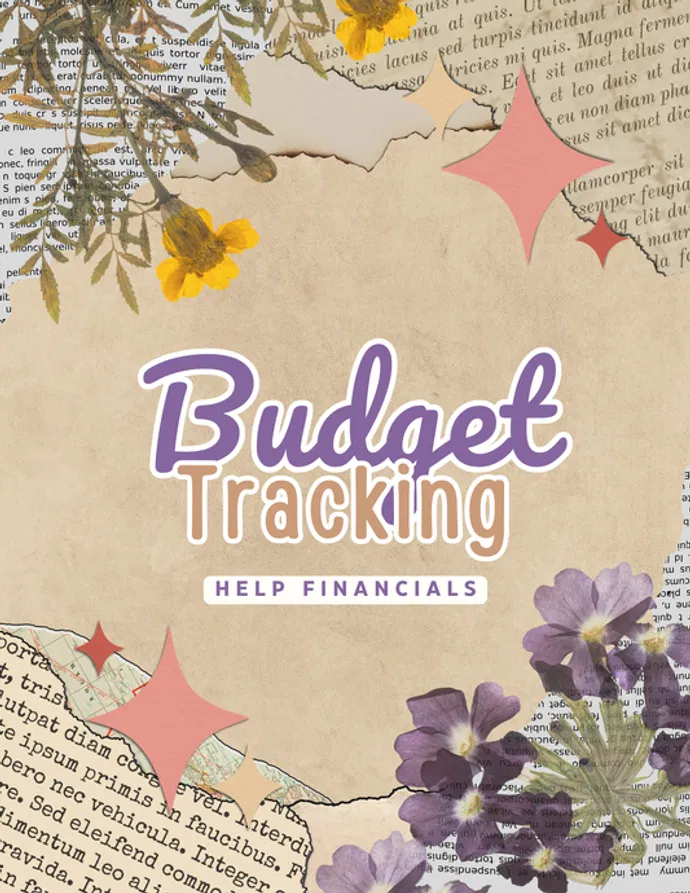
Using a Budget Tracker specifically designed for survivors can help you see exactly what you need to save to become independent. It helps you account for hidden costs like security deposits, new phone lines, and legal fees. Our Financial Planning collection offers trauma-informed tools to help you rebuild your credit and manage your money in a way that feels safe and empowering.
Healing the Mind and the Nervous System
Once you are physically safe, the journey of internal healing begins. Domestic violence leaves deep imprints on the nervous system, often resulting in hyper-vigilance or "brain fog." This is a natural response to trauma, and it is something you can heal from.
Trauma-informed journaling is a powerful way to process what has happened and reclaim your narrative. Unlike standard journals, these tools often include prompts that help you stay grounded and avoid "flooding" your system with too much pain at once.
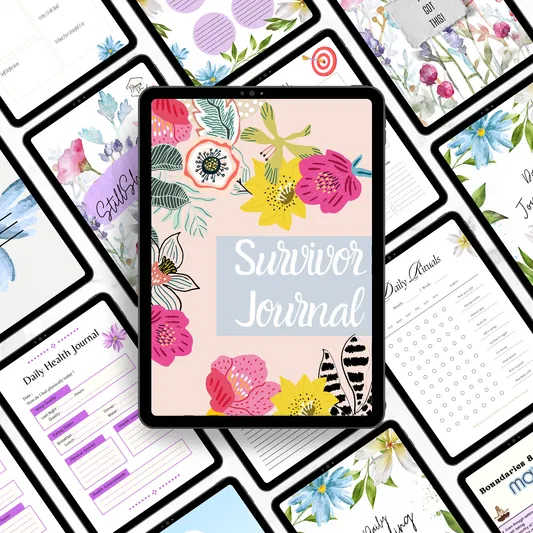
We offer several resources for this stage of the journey, including:
- Narcissistic Abuse Healing Journals: Specifically designed to help you untangle the confusion and gaslighting often found in these relationships.
- Nervous System Healing: Guides that teach you how to move out of "fight or flight" mode and back into a state of calm. You can read more about this on our Nervous System Healing blog.
- Stress Processing Workbooks: To help you manage the day-to-day anxiety that comes with rebuilding a life.
Parenting Through the Storm
If you have children, your focus is likely on their safety as much as your own. Parenting while healing from trauma is one of the hardest jobs in the world. It requires you to be a "calm harbor" for your children even when your own sea is choppy.
Resources that focus on Parenting Through Trauma can provide you with the language to talk to your children about what is happening and how to support their emotional needs without neglecting your own. You are a resilient parent, and your strength is the foundation upon which your children will heal.

You Are the Author of Your Next Chapter
Finding domestic violence resources is about more than just finding a phone number; it’s about reclaiming your right to a life free from fear. Whether you need a hotline tonight, a legal advocate tomorrow, or a budget planner next month, these resources exist to serve you.
You have survived the hardest parts already. Now, the focus shifts to thriving. At Blooming Lilies, we are honored to provide the practical tools you need to organize your transition and the emotional resources you need to heal your heart.
Ready to take the next step?
- If you need immediate help, browse our Crisis Lines page.
- If you are ready to start planning your financial future, check out our Budgeting Tools.
- If you just need a safe place to vent and heal, our Healing Journals are here for you.
You are brave, you are capable, and you deserve to be safe. We are here to help you bloom again. For any specific questions about our resources, please don't hesitate to visit our Contact Page.