

Identifying the Signs of a Narcissistic Mother: Healing the Wound
For many of us, the word "mother" evokes images of warmth, safety, and unconditional support. But for those raised by a narcissistic mother, the word often carries a heavy weight of confusion, exhaustion, and a lingering sense of never being "quite enough."
If you have spent your life walking on eggshells, wondering why your achievements are met with coldness or why your personal boundaries are treated like an act of war, you are not alone. The wound left by a narcissistic parent is deep, but it is not invisible. Recognizing the narcissistic mother signs is the first, most courageous step toward reclaiming your identity and beginning a journey of true healing.
At Blooming Lilies, we understand that this realization can be earth-shattering. It challenges the very foundation of your childhood. We are here to walk with you through the process of validation, boundary-setting, and emotional recovery.
Recognizing the Reality of Your Upbringing
Narcissism in motherhood is often subtle and "behind closed doors." To the outside world, she may appear to be the perfect, doting parent. However, the internal reality for the child is often one of emotional neglect, manipulation, and control.
A narcissistic mother essentially views her children not as separate human beings with their own dreams and feelings, but as extensions of herself. Your purpose, in her eyes, is to reflect well on her or to provide the "narcissistic supply" (attention and validation) she constantly craves. When you begin to assert your independence, the dynamic often turns toxic.
Core Narcissistic Mother Signs to Look For
Understanding the patterns of behavior can help you stop blaming yourself for the friction in the relationship. Here are the most common traits and behaviors:
1. A Profound Lack of Empathy
While she may perform "concern" in front of others, she is often unable to sit with your actual pain. If you come to her with a problem, she might quickly pivot the conversation back to her own experiences or tell you that you are "too sensitive." This lack of empathy leaves children feeling profoundly lonely and unheard.
2. Crossing Boundaries and Seeking Control
To a narcissistic mother, your privacy is a personal slight. She may:
- Read your journals or emails without permission.
- Show up at your home unannounced.
- Interrogate you about your personal finances or relationships.
- Ignore a direct request for space, treating your boundaries as a challenge to be overcome.
3. Competition and Undermining
One of the most painful narcissistic mother signs is the sense of competition. Instead of celebrating your beauty, your career success, or your happy marriage, she may feel threatened by it.
She might make passive-aggressive comments to "take you down a notch" or attempt to outshine you at your own milestone events.
4. Gaslighting and Reality Distortion
If you try to confront her about a past hurt, she may respond with, "That never happened," or "You have a very vivid imagination."
This is gaslighting, a tactic used to make you doubt your own memory and sanity so that she can maintain a position of "correctness" and power.
The Emotional Toll: The "Never Good Enough" Syndrome
Growing up in this environment creates a specific type of childhood trauma. Because the mother's love was conditional, based on how well you performed or how much you complied, you may have developed a "fawn" response. You might find yourself constantly people-pleasing, struggling with perfectionism, or feeling an overwhelming sense of guilt whenever you prioritize your own needs.
Common long-term effects include:
- Hypervigilance: Always scanning the room for changes in mood.
- Chronic Guilt: Feeling responsible for other people’s emotions.
- Low Self-Worth: A deep-seated belief that your value lies in what you do, not who you are.
- Indecisiveness: Difficulty making choices because you were never allowed to trust your own instincts.

Healing the Mother Wound: Reclaiming Your Narrative
Healing from a narcissistic mother isn't about "fixing" her; it’s about reparenting yourself. It is about giving yourself the validation, safety, and grace that you were denied as a child.
Acknowledge the Truth
The first step in healing from family trauma is acceptance. You cannot change her, and you are not responsible for her happiness. Accepting that she may never be the mother you needed is a grieving process, but it is also an act of liberation.
Establish Firm Boundaries
Boundaries are for your protection, not her punishment. This might mean "Grey Rocking" (becoming as uninteresting and non-responsive as a grey rock) to avoid giving her emotional ammunition. It might also mean limiting contact or, in some cases, choosing no contact at all.
If you are navigating the complexities of family dynamics within the legal system, our Family Court Help resources provide specialized support for survivors of high-conflict personalities.
Utilize Trauma-Informed Resources
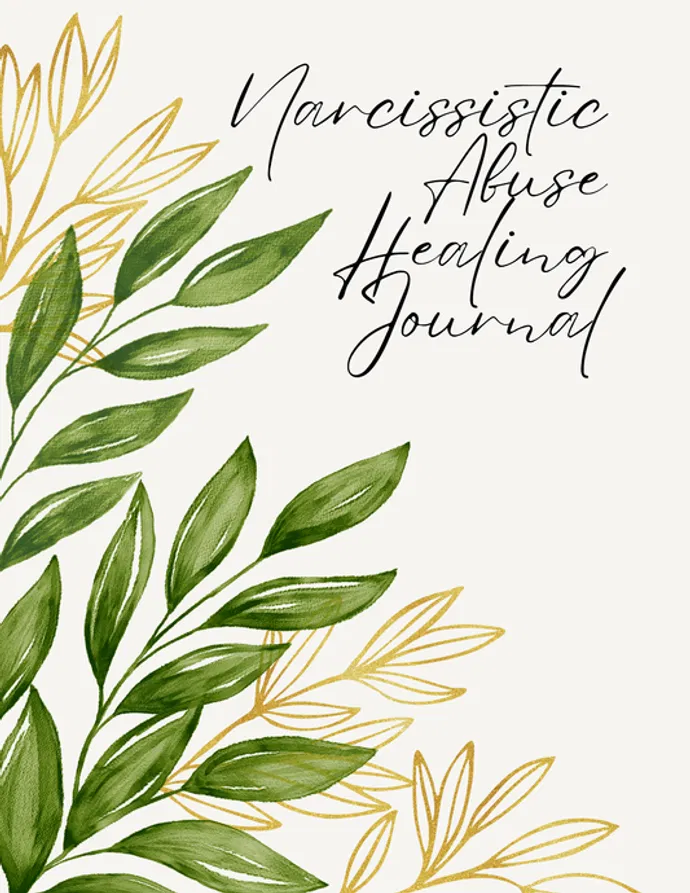
Journaling is a powerful tool for deconstructing the gaslighting you’ve experienced. By writing down your truths, you create an objective record of your reality. Our Blooming Lilies Survivor Journal is specifically designed to help you process these complex emotions in a safe, guided way.
Breaking the Cycle for the Next Generation
Many survivors of narcissistic mothers fear they will repeat the same patterns with their own children. The very fact that you are worried about this is a sign that you are already different. You have the empathy and self-awareness that she lacked.
By engaging in healing from emotional abuse, you are ensuring that the cycle of trauma stops with you. You are learning how to model healthy boundaries, emotional regulation, and genuine empathy for your children.
For those balancing the journey of recovery while raising a family, we recommend our Parenting Through Trauma resources to help you build a nurturing home environment.
Your Path Forward: Support and Strength
Healing is not a linear process. There will be days of anger, days of deep sadness, and days of incredible clarity. Throughout it all, remember that your worth is inherent. It was never something she had the power to give, and it is not something she has the power to take away.
If you are in an immediate crisis or need to speak with someone regarding domestic or emotional abuse, please visit our Crisis Lines page for a list of trusted organizations that can help.
You deserve to be seen. You deserve to be heard. You deserve to be free.

Take the Next Step in Your Healing Journey
If you’re ready to start rebuilding your self-esteem and grounding yourself in your own truth, we invite you to explore our collection of Healing from Emotional Abuse tools.
- Reflect and Recover: Use our Mindful Moments Journal to find peace in the present.
- Build Confidence: Rebuild the inner strength that was undermined for years with our Self-Confidence Journal.
- Assess Your Situation: If you are unsure if your current relationships are healthy, use our DV Assessment tool for clarity and guidance.
The journey toward healing the wound left by a narcissistic mother is one of the hardest things you will ever do: but it is also the most rewarding.
You are reclaiming your life, your voice, and your future. Blooming Lilies is honored to support you every step of the way.