

The Trauma-Informed Wellness Routine: Healing Your Mind and Body
When you hear the word "wellness," what’s the first thing that comes to mind? For many, it’s images of perfectly lit yoga studios, expensive green juices, or the pressure to "just be positive." But when you’re navigating the aftermath of trauma or domestic violence, those standard wellness tips can feel, at best, out of reach and, at worst, completely invalidating.
At Blooming Lilies, we believe that healing isn't about fitting into a trendy lifestyle. It’s about reclaiming your sense of self, safety, and sovereignty. A trauma-informed wellness routine isn't a "to-do" list that makes you feel guilty if you skip a day. It’s a flexible, compassionate framework designed to support your nervous system and honor your journey.
In this guide, we’re going to explore how you can build a routine that actually helps you heal, focusing on the connection between your mind and your body.
Shifting the Paradigm: From "What’s Wrong" to "What Happened"
The foundation of any trauma-informed approach is a massive shift in perspective. Instead of asking yourself, "Why can’t I just get it together?" or "What is wrong with me?" we shift the focus to: "What happened to me, and how is my body trying to protect me?"
Trauma isn't just a memory; it’s something that lives in your nervous system. Your body might still be stuck in "fight, flight, or freeze" mode long after the danger has passed. Recognizing that your reactions, like anxiety, fatigue, or hyper-vigilance, are survival strategies is the first step toward trauma-informed wellness.

The 6 Pillars of Your Healing Journey
To create a routine that feels supportive rather than demanding, we lean on six core principles. These are the building blocks we use at Blooming Lilies to ensure our resources, like our Survivor Journals, truly serve you.
- Safety: This is the priority. You cannot heal if you do not feel safe, both physically and emotionally.
- Trustworthiness: Building trust with yourself again. This means keeping small promises to yourself and listening to your gut.
- Peer Support: Knowing you aren’t alone. Connecting with others who "get it" is vital for recovery.
- Collaboration: You are the expert on your own life. Any routine you build should be a collaboration between your current needs and your future goals.
- Empowerment and Choice: Trauma often involves a loss of control. Healing involves taking that power back through small, daily choices.
- Cultural and Historical Awareness: Acknowledging that your background and identity shape how you experience and heal from trauma.
Creating a Physical "Safe Harbor"
Before you even think about meditation or journaling, let's talk about your environment. A trauma-informed wellness routine starts with your physical space.
- Audit your surroundings: Are there colors, smells, or objects that trigger a stress response? It’s okay to move things around or get rid of them.
- Establish a "Safe Spot": Whether it's a corner of your bedroom with a soft blanket or a specific chair, have one place where you know you can go to just be.
- Check your boundaries: Who has access to your space? If you need help securing your digital or physical environment, check out our resources on preventative health and safety.
Nervous System Regulation: The Heart of the Matter
Have you ever felt "wound up" for no reason, or so "shut down" that you can't get off the couch? This is your nervous system moving in and out of its window of tolerance.

A major part of trauma-informed wellness is learning how to gently bring yourself back to a state of calm. Here are a few ways to regulate your nervous system:
- Grounding Techniques: If you feel a flashback or high anxiety coming on, try the 5-4-3-2-1 method. Name 5 things you see, 4 things you can touch, 3 things you hear, 2 things you can smell, and 1 thing you can taste. This pulls your brain out of the past and into the present.
- Breathwork (with caution): While deep breathing is great, for some survivors, focusing on the breath can actually be triggering. If that’s you, try "box breathing" or simply blowing through a straw. If it doesn't feel good, stop. You have the choice.
- Weighted Blankets: The gentle pressure can signal to your brain that you are safe and held, helping to lower cortisol levels.
Mindful Reflection: Journaling as a Tool, Not a Chore
Journaling is one of the most powerful ways to process coercive control and narcissistic abuse. However, staring at a blank page can be intimidating. That’s why at Blooming Lilies, we created specialized tools to guide you.
Our Narcissistic Abuse Healing Journal and Mindful Moments Journal are designed with trauma-informed prompts that help you untangle the "fog" of gaslighting without overwhelming your system.
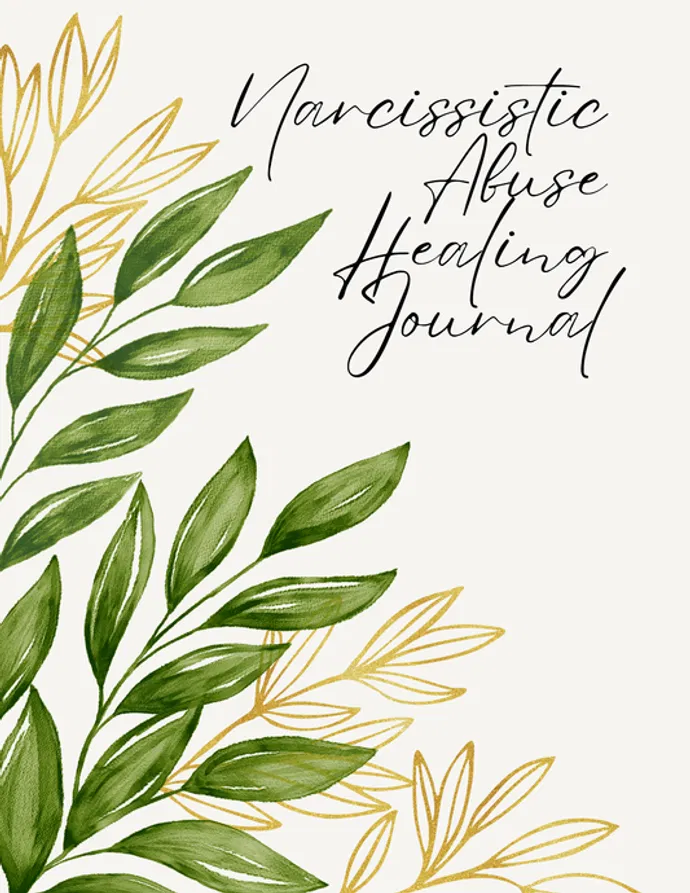
How to start a trauma-informed journaling habit:
- Keep it short: Even five minutes counts.
- Focus on feelings, not just facts: Describe how your body feels while you write.
- Use prompts: Instead of "Dear Diary," try "One thing that made me feel safe today was..."
- Check out our collections: We have a wide range of workbooks and journals specifically for recovery.
Gentle Movement: Reconnecting with Your Body
Trauma can cause us to "disconnect" from our bodies as a way to survive pain. Reconnecting needs to be a slow, gentle process.
Standard "no pain, no gain" fitness culture is the opposite of what we need here. Instead, think about intuitive movement.
- Stretching: Focus on the sensation of your muscles lengthening.
- Walking in Nature: If it feels safe, a short walk can help clear the "mental clutter."
- Dance: Put on a song that makes you feel strong and just move however your body wants to.
The goal isn't to burn calories or hit a PR; it’s to inhabit your skin again and feel that you are the one in charge of your movements.
Navigating Triggers with the "Four Rs"
In the world of trauma-informed wellness, we use a framework called the Four Rs to handle the harder days:
- Realize: Understand that trauma has a widespread impact. It’s okay that you’re struggling.
- Recognize: Learn the signs of your own triggers. Does your heart race? Do you get a headache?
- Respond: Have a plan. When you recognize a trigger, what is your "go-to" safety move? (Maybe it's calling a friend or using your Self-Confidence Journal).
- Resist Re-traumatization: Avoid people, places, or even wellness practices that make you feel "less than" or unsafe.
Building Your Personal Routine: An Example
Remember, this is just a template. You can mix, match, or toss out anything that doesn't serve you.
- Morning: 5 minutes of gentle stretching + 1 minute of identifying one thing you are grateful for.
- Mid-day: A "check-in." How is my breathing? Do I need water? Do I need to step away from my screen?
- Evening: 10 minutes of journaling in your Blooming Lilies Survivor Journal + dimming the lights to signal safety to your brain.
If you find yourself in a moment of acute distress, please remember that help is always available. You can find a list of crisis lines here to support you when you need it most.
You Are Not Alone
The journey of healing is rarely a straight line. There will be days when your routine feels like a lifesaver and days when it feels like too much. Both are okay. At Blooming Lilies, we are here to provide the tools and resources you need to bloom at your own pace.

Whether you are just starting to look for a safe way out or you are years into your recovery, your well-being matters. You have survived the hardest parts already: now, let’s focus on the gentle parts.
Ready to take the next step in your healing journey? Explore our full collection of trauma-informed journals and planners to find the perfect companion for your routine. You are strong, you are resilient, and you deserve to feel whole again. 🌸✨