

Integrating Natural Tools into Your Healing Plan
We’ve spent the last few posts digging into the nitty-gritty of recovery, the side effects of traditional pharmaceuticals, the science behind how your nervous system reacts to trauma, and why full-spectrum cannabis might be the bridge some survivors need to move from "numb" to "healing."
But healing isn't a single destination, and it certainly isn't a single pill (or plant). It’s a tapestry. For those of us at Blooming Lilies, we believe that true recovery happens when you stop looking for a "magic bullet" and start building a holistic toolkit that honors your mind, your body, and your spirit.
What Does "Holistic" Actually Mean for a Survivor?
When you hear the word "holistic," it’s easy to think of expensive retreats or complicated routines. But in the context of domestic violence recovery, holistic healing simply means looking at the whole person.
Trauma doesn’t just live in your head; it lives in your tissues, your gut, your sleep patterns, and your ability to trust your own instincts. If you only treat the "symptoms" with a prescription, you might miss the underlying need for safety, self-expression, and nervous system regulation.
A holistic plan is about empowerment and choice. For too long, someone else likely made the choices for you. This is your time to reclaim that power by deciding what goes into your body and how you spend your energy.

The Three Pillars of Your Recovery Toolkit
To build a plan that actually sticks, it helps to categorize your tools. Think of these as the pillars holding up your "new house."
1. The Physical Pillar: Calming the Storm
Your body has been in "survival mode" for a long time. This means your cortisol levels are likely high, and your nervous system is stuck in a loop of fight, flight, or freeze.
- Natural Plant Medicine: As we discussed earlier in this series, full-spectrum cannabis products or high-quality CBD can help "lower the volume" on hyper-vigilance. It interacts with your endocannabinoid system to promote homeostasis without the "zombie" feeling often associated with heavy sedatives.
- Movement as Medicine: You don't need to run a marathon. Gentle yoga, stretching, or even just walking in nature helps move stored trauma out of the body.
- Nutrition and Gut Health: Trauma affects the "second brain" (your gut). Focusing on whole foods and anti-inflammatory ingredients like ginger and turmeric can help stabilize your mood from the inside out.
2. The Mental & Emotional Pillar: Processing the Past
Once the physical body feels safe enough to breathe, the mind needs a place to land.
- Trauma-Informed Therapy: Whether it’s EMDR (Eye Movement Desensitization and Reprocessing) or somatic experiencing, finding a therapist who understands the specific dynamics of domestic violence is a game-changer.
- Journaling and Self-Reflection: This is where you begin to untangle the web of gaslighting and manipulation. Writing things down isn't just a "hobby", it’s a neurological tool that helps your brain move memories from the emotional center to the logical center.
- Affirmations: Rebuilding self-worth takes time. Using tools like a collection of 1000 Positive Affirmations can help drown out the voice of your abuser with a voice of truth.
3. The Digital Pillar: Structure and Safety
In the modern world, recovery also requires digital organization. When your life feels chaotic, having a structured place to track your progress and manage your safety can provide immense relief.
- Mood Trackers: Using a digital mood tracker allows you to see patterns in your healing. You might realize that your anxiety peaks on certain days or after certain interactions, giving you the data you need to adjust your boundaries.
- Documentation: Keeping your evidence and your safety plan organized is an act of self-care. It reduces the "mental load" of staying safe.
Why Choice is Your Greatest Healing Tool
One of the most damaging parts of an abusive relationship is the loss of autonomy. You were told what to think, how to act, and perhaps even what medications to take.
In a holistic recovery model, you are the expert on your own life.
If you try a meditation app and it makes you feel more anxious, you have the right to stop. If you find that full-spectrum cannabis helps you sleep but a certain pharmaceutical makes you feel disconnected, you have the right to discuss that with a trauma-informed provider.
Empowerment comes from testing these tools and seeing what resonates with your specific journey. There is no "right" way to heal, only the way that makes you feel safe and whole.
Integrating the "Narcissistic Healing Journal" Into Your Routine
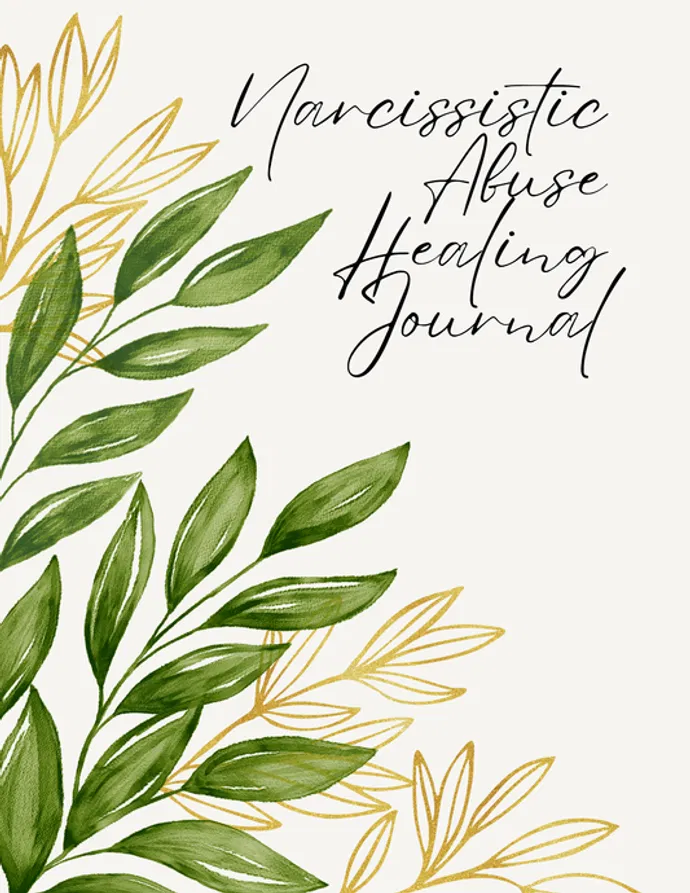
If you’re wondering where to start, we always recommend the power of the pen (or the stylus!). Journaling is one of the most accessible natural tools available. It requires no prescription, has no side effects, and can be done in the safety of your own space.
Our Narcissistic Healing Journal was designed specifically for survivors who are dealing with the unique aftermath of emotional and psychological abuse. Unlike a blank notebook, which can feel overwhelming, this guided journal helps you:
- Identify red flags and "fawning" behaviors.
- Deconstruct the lies you were told about your worth.
- Set firm, healthy boundaries for your future.
Pairing this with our Survivor Journal creates a comprehensive daily practice. While the Narcissistic Healing Journal focuses on the "why" and the "how" of the past, the Survivor Journal focuses on the "now", your daily wellness, your gratitude, and your small wins.
Building Your Daily "Wellness Stack"
Integration doesn't happen overnight. It happens in the small, quiet moments. Here is what a "Holistic Wellness Stack" might look like for a survivor:
- Morning: 5 minutes of deep belly breathing and a few drops of a full-spectrum CBD oil to set a calm tone for the day.
- Mid-Day: Checking in with your digital mood tracker to acknowledge how you're feeling without judgment.
- Evening: 15 minutes of guided journaling in the Narcissistic Healing Journal to process the day's triggers.
- Night: A digital-free hour before bed, perhaps using a gentle magnesium supplement or herbal tea to signal to your body that it is safe to sleep.
Reclaiming Your Story
As we wrap up this series on medications and natural alternatives, remember this: You are not a diagnosis. You are a human being who has survived a traumatic experience, and your body is doing its best to protect you.
Whether you choose to utilize traditional medicine, full-spectrum cannabis, herbal supports, or purely therapeutic and digital tools, the goal is the same, to return to yourself.
At Blooming Lilies, we are here to provide the resources that help you bridge that gap. From our Financial Planning collections to our specialized journals, every resource we create is designed to move you one step closer to peace.

Take the Next Step in Your Journey
Healing is a marathon, not a sprint, but every marathon starts with a single, intentional step. If you’re ready to start untangling the past and building a future where you feel safe in your own skin, we invite you to explore our specialized journals.
Shop the Narcissistic Healing Journal & Survivor Journal here.
You have the courage it takes to heal. You have the right to choose your path. And most importantly, you have the power to bloom again.
If you are currently in crisis or need immediate help with a safety plan, please visit our Crisis Lines page for 24/7 support. You don't have to do this alone.
