

SSRIs vs. CBD: Navigating Your Options for Post-Traumatic Wellness
When you are navigating the aftermath of domestic violence, your body often feels like a battlefield. The hypervigilance, the sleepless nights, and the crushing weight of anxiety aren't just "in your head": they are physiological responses to prolonged trauma. Your nervous system has been rewired to keep you alive, but now that you are seeking a path toward healing, you might find that your "survival mode" won't turn off.
Deciding how to manage these symptoms is a deeply personal journey. For many survivors, the conversation eventually turns toward medication. Traditionally, Selective Serotonin Reuptake Inhibitors (SSRIs) have been the gold standard. However, a growing number of survivors are looking toward full-spectrum cannabis and CBD as a more holistic, manageable alternative.
At Blooming Lilies, we believe that empowerment comes from education. You deserve to know exactly what you are putting into your body and how it might impact your journey toward reclaiming your life.
Understanding the Pharmaceutical Path: SSRIs
SSRIs, such as Zoloft, Prozac, and Lexapro, are the most commonly prescribed medications for PTSD and clinical anxiety. They work by increasing the levels of serotonin: the "feel-good" chemical: in your brain. By preventing the reabsorption (reuptake) of serotonin, these meds help improve your mood and reduce the hyperactivation of the amygdala, the brain's "alarm system."
The Pros of SSRIs:
- Decades of Research: SSRIs have been studied extensively for PTSD. There is a high level of clinical confidence in their ability to stabilize mood over time.
- Accessibility through Insurance: For many, these medications are covered by health insurance, making them a low-cost option financially.
- Consistency: Once you find the right dosage, SSRIs provide a steady baseline of support that doesn't fluctuate throughout the day.
The Cons for Survivors:
- The "Zombie" Effect: Many survivors report a feeling of emotional blunting. When you’ve spent years having your emotions suppressed by an abuser, feeling "numb" on medication can feel like a secondary loss of self.
- Physical Side Effects: Common issues include significant weight gain, fatigue, and sexual dysfunction.
- The Tapering Struggle: You cannot simply stop taking SSRIs. Discontinuing them requires a long, often difficult tapering process to avoid "brain zaps" and severe withdrawal.

The Holistic Alternative: CBD and Full-Spectrum Cannabis
In recent years, full-spectrum cannabis has emerged as a powerful tool for trauma recovery. Unlike CBD isolate, full-spectrum products contain a variety of cannabinoids (including trace amounts of THC), terpenes, and flavonoids. This creates what scientists call the "entourage effect," where the compounds work together to be more effective than they would be individually.
Why It Works for Trauma:
Your body has an Endocannabinoid System (ECS), which is responsible for maintaining balance (homeostasis). Trauma can "starve" your ECS. CBD and full-spectrum products help replenish this system, specifically aiding in "fear extinction": the process of your brain learning that a specific trigger is no longer a threat.
The Pros for Survivors:
- Privacy and Discretion: For a survivor still in a delicate living situation, a prescription bottle on the nightstand can be a safety risk. CBD products can often be purchased and kept more discreetly without appearing on a shared insurance "Explanation of Benefits" (EOB) statement.
- Better Sleep and Fewer Nightmares: CBD is widely recognized for its ability to improve sleep quality and reduce the frequency of PTSD-related nightmares, which SSRIs often fail to address.
- Immediate Access: You don't always need a psychiatrist’s appointment and a three-month waitlist to access high-quality CBD. You can start managing your symptoms today.
The Cons to Consider:
- Legal Variability: Depending on where you live, full-spectrum products might be restricted.
- Less Clinical Data: While promising, there are fewer large-scale, long-term human trials compared to pharmaceuticals.
Side-by-Side: Which Fits Your Current Needs?
When you are in the thick of recovery, your needs go beyond just "feeling better." You have to consider your physical safety, your privacy, and your ability to function daily.
| Feature | SSRIs (Pharmaceuticals) | Full-Spectrum CBD/Cannabis |
|---|---|---|
| Privacy | Appears on insurance records/pharmacy logs. | Can be purchased privately (often with cash or via discreet sites). |
| Onset of Relief | Takes 4–6 weeks to begin working. | Can provide relief for anxiety and sleep within 30–60 minutes. |
| Dependency | Physical dependence is common; requires tapering. | Non-addictive; no physical withdrawal symptoms. |
| Side Effects | Nausea, weight gain, emotional numbing. | Dry mouth, occasional fatigue, gastrointestinal mildness. |
| Primary Goal | Long-term chemical rebalancing. | Symptom management and nervous system regulation. |
The Role of Safety and Documentation in Your Health
Choosing a treatment path is about more than just biology; it’s about logistics. If you are currently planning to leave an abusive situation or are in the early stages of relocation, your choice of medication might be influenced by your need for mental clarity and physical energy.
Many survivors find that SSRIs make them too "foggy" to handle the intense demands of financial planning or managing a move. If you are using our Relocation Planner, you know that you need your wits about you.
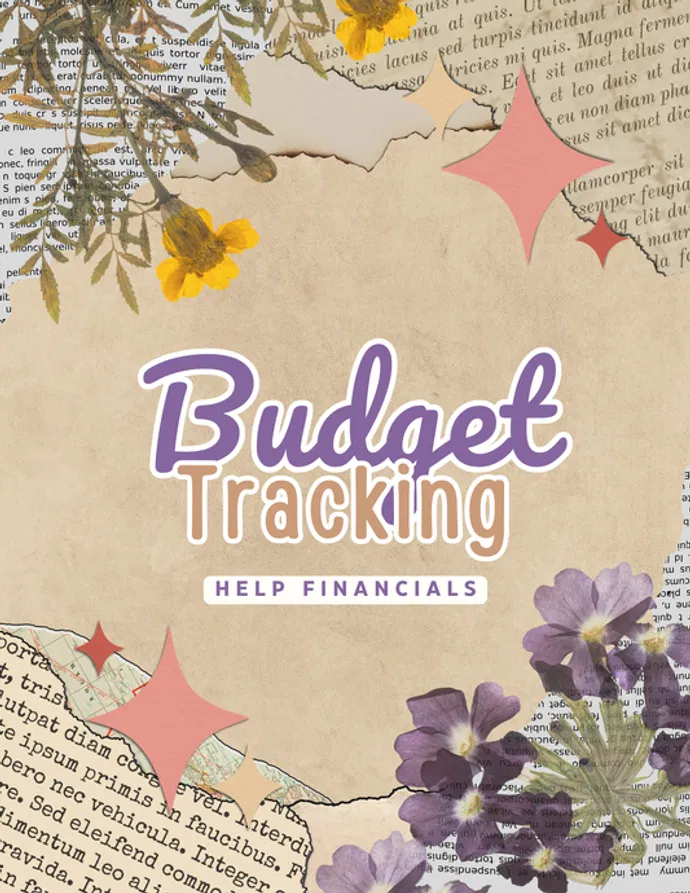
Furthermore, if your abuser has access to your medical records or bank statements, the privacy of CBD might be a literal lifesaver. Using a Budget Tracker to keep track of your "healing fund" can help you afford high-quality, lab-tested cannabis products without alerting anyone to your purchases.
Consulting a Trauma-Informed Healthcare Provider
Regardless of which path you feel drawn to, we strongly encourage you to speak with a trauma-informed healthcare provider. A trauma-informed doctor understands that your symptoms aren't just a "chemical imbalance," but a response to your environment.
When you speak to a provider, consider asking:
- "How will this medication impact my ability to stay alert and focused on my safety plan?"
- "Are there interactions between CBD and the other medications I am taking?"
- "Can we start with the lowest possible dose to see how my body reacts?"
- "How can I document my symptoms to see if this is actually helping me heal?"
If you aren't sure where to find support, check our list of crisis lines and resources for immediate guidance on finding safe professionals in your area.

Reclaiming Your Agency
The most important thing to remember is that you are the expert on your own body. For years, an abuser may have tried to control your reality, your choices, and even your health. Reclaiming your right to choose how you heal is a massive step toward freedom.
Whether you choose the stability of an SSRI or the natural regulation of a full-spectrum cannabis product, the goal is the same: quieting the noise so you can hear your own heart again.
Healing is not a linear process, and your needs might change. Maybe today you need the immediate calm that CBD provides so you can fill out your Stress Processing Journal. Maybe in six months, you’ll decide you need the long-term support of a pharmaceutical. Both choices are valid. Both choices are brave.
Take Your Next Step Toward Wellness
If you’re feeling overwhelmed by the choices, start small. Focus on regulating your nervous system in ways that feel safe today. You can explore more about preventative health and trauma on our dedicated resource page.
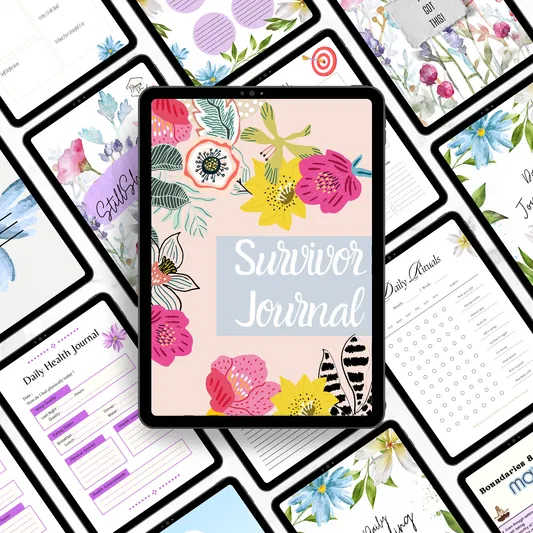
You have the strength to choose the path that is right for you. We are here to provide the tools, the journals, and the planners to make that path a little smoother.
What does your body need today? Take a moment to check in with yourself. If you’re ready to start documenting your journey, our Narcissistic Abuse Healing Journal is a beautiful place to begin.
You are not alone, and you are worthy of a life that feels peaceful.